

Sedation Dentistry and Its Impact on Oral Health

rladmin • September 26, 2024

For many people, going to the dentist can trigger feelings of anxiety or fear. Sedation dentistry offers a solution that helps patients feel calm and relaxed during dental procedures, making it easier to maintain good oral health. At Dental Park in Mc Allen, TX, sedation dentistry can transform your experience, providing comfort while ensuring you get the care you need.

What Is Sedation Dentistry?

Sedation dentistry involves using medication to help patients relax during dental procedures. It’s often recommended for individuals who experience dental anxiety, have a low pain threshold, or need extensive dental work. With sedation, patients can remain calm and comfortable while the dentist performs necessary treatments, from teeth cleanings to more complex procedures.

What Types of Sedation Are Used in Dentistry?

There are several levels of sedation used in dentistry, ranging from mild relaxation to complete unconsciousness. Here are the most common types:

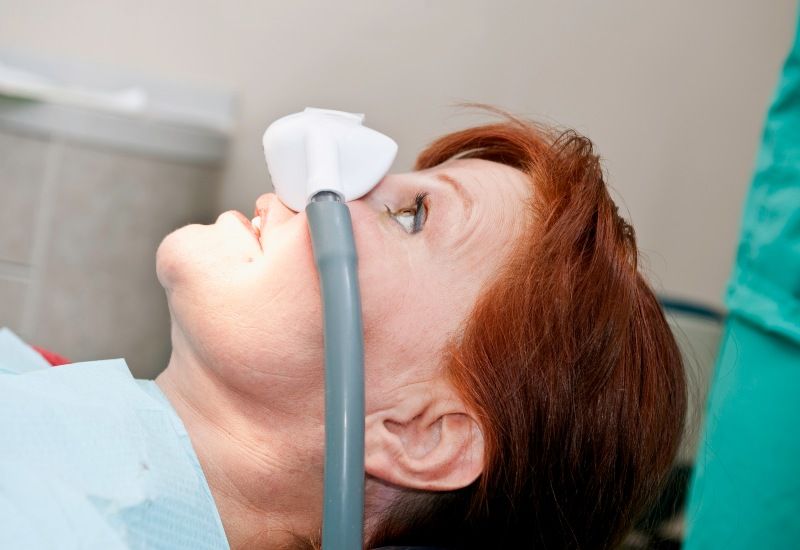
  • Nitrous Oxide (Laughing Gas) – This is a mild form of sedation for patients who inhale nitrous oxide mixed with oxygen. It helps reduce anxiety and discomfort while keeping the patient awake and able to respond during the procedure. Nitrous oxide sedation wears off quickly, allowing you to resume your day shortly after your visit.
  • Oral Sedation – Oral sedation dentistry involves taking a pill before your appointment. This type of sedation ranges from minimal to moderate. Depending on the dose, it may make you drowsy, but you’ll still be awake. For some patients, oral sedation can cause them to fall into a light sleep during the procedure.
  • General Anesthesia – General anesthesia is the strongest form of sedation and is typically reserved for more invasive procedures that render the patient completely unconscious, meaning they will have no awareness or recollection of the procedure. This type of sedation requires careful monitoring by the dental team.

Benefits of Sedation Dentistry

Sedation dentistry offers numerous benefits, particularly for those with dental anxiety or who require extensive dental work. Key advantages include:

  • Reduced Anxiety – Sedation helps alleviate the fear and distress associated with dental visits, making it easier to receive necessary care.
  • Increased Comfort – Sedation can make procedures more comfortable by dulling the sensation of pain and reducing discomfort during longer treatments.
  • Faster Procedures – Relaxed patients are easier to treat, allowing dentists to complete procedures more efficiently and often in fewer visits.
  • Better Oral Health – By overcoming anxiety and avoiding discomfort, patients are more likely to keep up with regular appointments and maintain better oral health.

Who Can Have Sedation at the Dentist’s Office?

Sedation dentistry is generally safe for most patients, but it’s not suitable for everyone. Your dentist will evaluate your health history, current medications, and the complexity of your treatment before recommending sedation. Sedation is often recommended for:

  • Individuals with dental anxiety or phobia
  • Those with a low pain threshold.
  • Patients undergoing lengthy or complex procedures
  • Children who have difficulty staying still during treatment

If you’re considering sedation dentistry, it’s essential to discuss your options with your dentist to determine the best types of sedation for your needs.

What Patients Can Expect with Sedation Dentistry

Sedation dentistry offers a more comfortable experience at the dentist, but it’s helpful to know what to expect before, during, and after the procedure.

Before the Procedure

Your dentist will review your medical history, discuss the type of sedation that is best for you, and provide instructions for the day of your procedure. For oral or IV sedation, you may be asked to avoid eating or drinking for a few hours before your appointment. Arrange for a ride home if your sedation leaves you feeling drowsy after the procedure has been completed.

During the Procedure

Once the sedation is administered, you’ll begin to feel calm and relaxed. Depending on the level of sedation, you may be awake but drowsy or completely unaware of your surroundings. The dental team will monitor you closely throughout the procedure to ensure your comfort and safety.

After the Procedure

The effects of sedation can last longer after your appointment, especially with oral or IV sedation. You may feel groggy or disoriented, so it’s usually necessary to have someone accompany you home. Most patients recover from sedation within a few hours, but it’s best to rest and avoid strenuous activities for the remainder of the day.

Visit Dental Park for Teeth Cleaning and Examination in McAllen, TX

If dental anxiety or discomfort has kept you from visiting the dentist, sedation dentistry at Dental Park in McAllen, TX, could be the solution. Our team is committed to providing quality care with your comfort in mind. Whether you need a routine teeth cleaning or a more complex procedure, we offer a range of sedation options to help you feel at ease. Schedule an appointment today and experience a stress-free dental visit.

Recent Posts

Dental insurance form with stethoscope, tooth model, and dental tools on a blue background
By rladmin • July 24, 2025
A comprehensive guide that explains how to choose the right dental insurance by comparing PPO, DHMO, discount plans, and fee‑for‑service options. The article walks readers through evaluating dental needs, balancing costs, checking dentist networks, understanding waiting periods, and reviewing plan benefits.
Two clinicians in scrubs examining a dental aligner in a bright clinic
By rladmin • July 24, 2025
A detailed guide comparing full and partial dentures, explaining how each option works, their benefits, who they are best suited for, and key factors to consider when choosing the right tooth‑replacement solution.

Smiling man flossing teeth in a bright bathroom mirror
By rladmin • July 24, 2025
A complete guide explaining what dental floss is, the different types available, why flossing is essential for oral health, how to choose the right floss, step-by-step flossing instructions, and common mistakes to avoid.
Dentist examining a patient's open mouth with dental tools, wearing blue gloves in a clinic
By rladmin • December 9, 2024
Dive into Dental Park's blog to learn how cosmetic dentistry can enhance your smile. Contact us to improve your smile with our dental treatments.
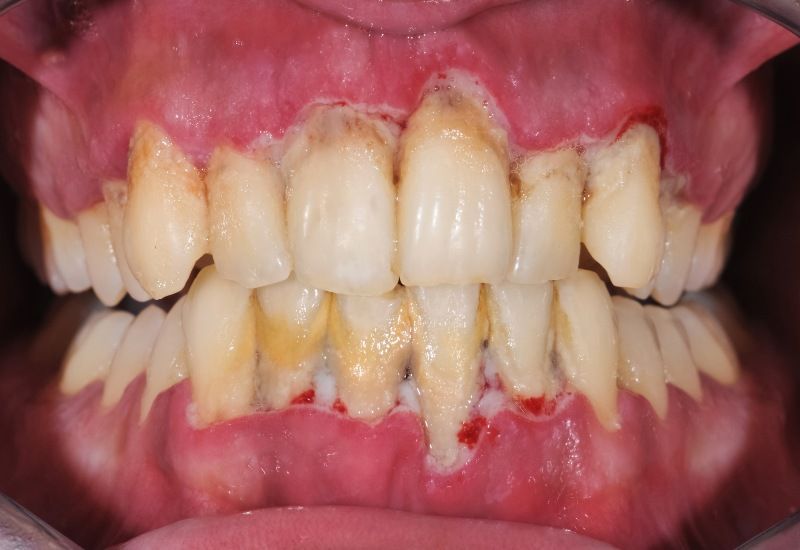
Close-up of teeth with yellow plaque buildup and inflamed gums
By rladmin • December 9, 2024
Dental Park provides a comprehensive guide to periodontal diseases. Learn about causes, symptoms, and preventive measures for optimal oral health.

White cream tube squeezing out a question mark onto a blue surface
By rladmin • September 26, 2024
Dental Park provides a comprehensive guide on choosing the right toothpaste for your oral health needs. Find the best match for your teeth with us.
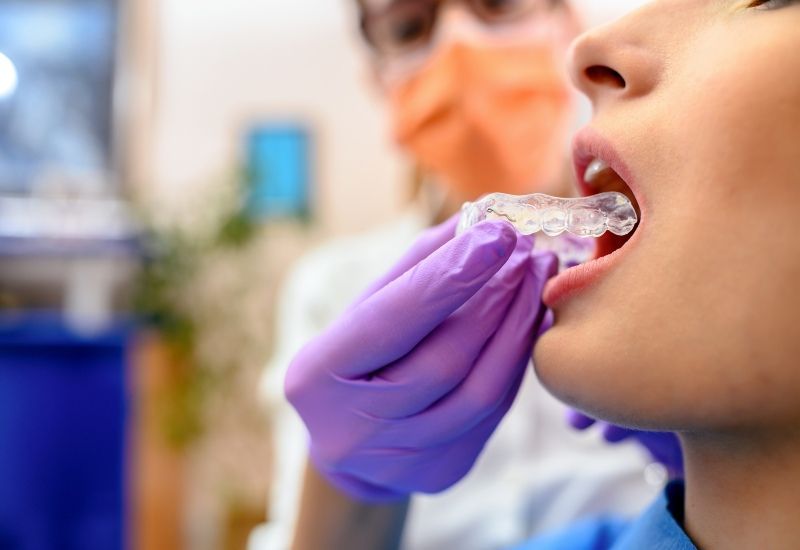
Dental professional in purple gloves examining a patient's open mouth with a dental tool
By rladmin • September 26, 2024
Dental Park illustrates the advantages of mouth guards for individuals dealing with teeth grinding. Protect your smile while you sleep with mouthguards.
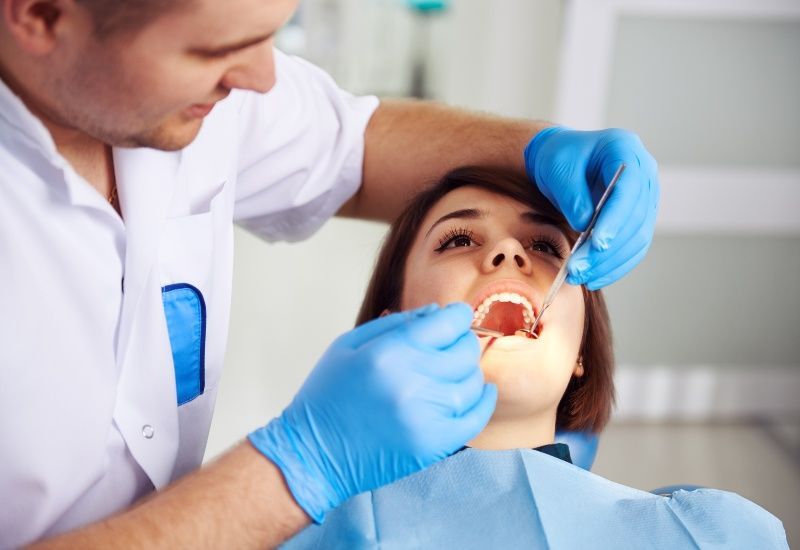
Dentist examining a patient’s open mouth with gloved hands in a dental clinic
By rladmin • May 29, 2024
Dental Park breaks down the pros and cons of composite and amalgam fillings. Schedule a dental appointment today & decide on your dental health.

Smiling person holding a blue mug of coffee outdoors
By rladmin • May 29, 2024
Have you ever wondered how coffee affects your teeth? Dive into Dental Park's informative blog post to learn more about coffee's impact on dental health.
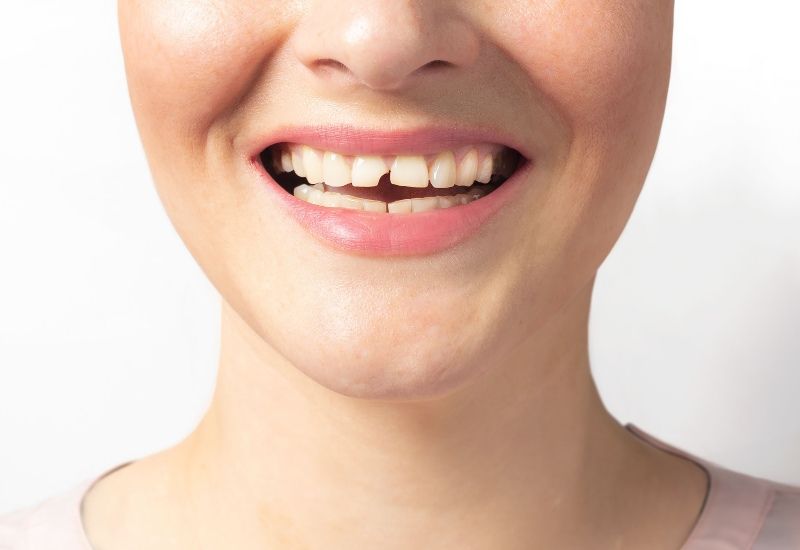
Close-up of a smiling mouth with visible teeth
By rladmin • May 29, 2024
Taking care of a chipped tooth is crucial to avoid additional dental problems. Explore the best ways to repair a chipped tooth at Dental Park.

Show More